Predict VTE Risk with Unprecedented Accuracy.
CoagHealth uses routine CBC results to outperform the Khorana score in cancer patients, validated at Weill Cornell Medicine.
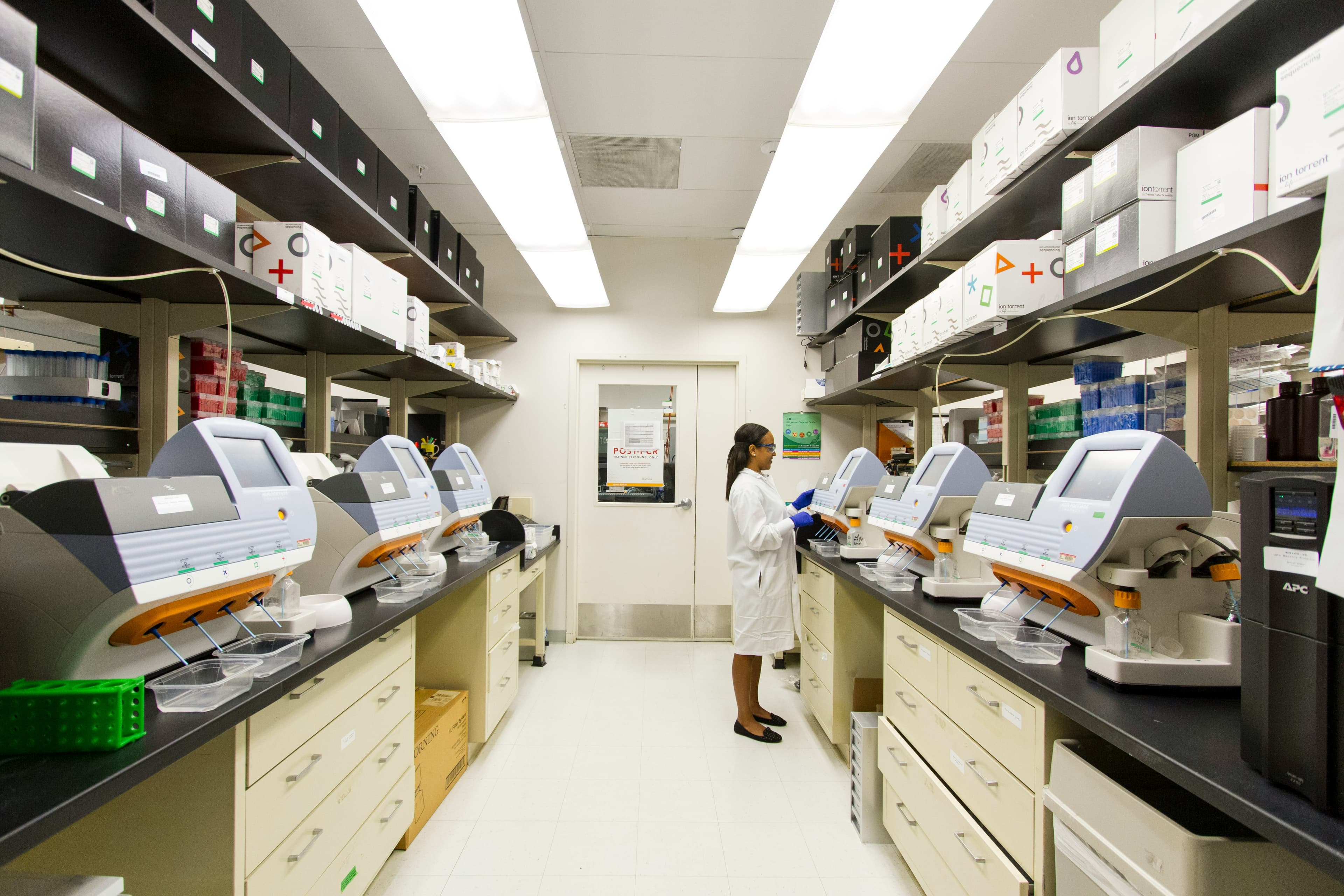
About one in five people with cancer may develop a blood clot at some point.1 Most could be identified in advance with a test they're already getting.
1 Source: Cancer Research UK
A routine CBC result, scored for VTE risk in seconds.
CoagHealth turns routine blood work into early clot-risk detection for cancer patients, with clinical validation underway through pilot workflows.
01
Predict
The platform ingests routine blood work signals including CBC, D-dimer, CAT thrombin dynamics, and BMP to model clot risk in oncology patients.
02
Alert
High-risk patients are flagged automatically inside your clinical workflow before symptoms appear, when early intervention matters most.
03
Integrate
CoagHealth connects directly to Epic, Cerner, and other major EHRs via HL7 FHIR. No new workflows, no new tests, no disruption to your team.
AI risk detection built around the blood work oncology teams already use.
300+
Patients in IRB-approved clinical trial
9 days
Early high-risk signal identified before VTE events
5
Pilot / partner institutions

Validated Through Clinical Partnerships
CoagHealth is being validated through an IRB-approved clinical trial and pilot workflows with leading clinical and research institutions. The platform uses routine blood signals to detect early clot-risk patterns in oncology patients before VTE events occur.
IRB-approved
Clinical validation pathway underway
CBC + D-dimer + CAT
Routine signals used for risk modeling
9 days
Early high-risk signal identified before VTE events
In Collaboration With


Clinical Advisors & Collaborators
CoagHealth is shaped by hematology, oncology, clinical pathology, and translational research collaborators across leading medical institutions.
Dr. Maria DeSancho, M.D., M.Sc.
Director, Center for Blood Disorders, Weill Cornell Medicine
Dr. Jeffrey Laurence, M.D.
Editor-in-Chief, Translational Research, Weill Cornell Medicine
Medi Tolou, M.D., M.B.A.
Hematology and Medical Oncology, Weill Cornell Medicine / Cornell Tech
Dr. Dakai Liu, M.D., Ph.D.
Clinical Pathology, Mount Sinai Hospital; Director of Virology, NYCDOHMH
Dr. Hugo Cate, M.D., Ph.D.
Hematology-Oncology, Beth Israel Hospital / Harvard Medical School; Director of CARIM Institute
Backed by clinical access before hospital-system rollout.
CoagHealth's validation pathway begins with clinical pilots and institutional access through Weill Cornell Medicine, NewYork-Presbyterian, Mount Sinai, NYC Department of Health, Maastricht UMC, and Cornell Tech before expanding into revenue pilots and hospital-system rollout.
NewYork-Presbyterian
Mount Sinai
NYC Department of Health
Maastricht UMC / CARIM
Building from clinical validation toward hospital-system rollout.
We're moving from signal discovery through IRB-approved validation, pilot workflows, and revenue pilot readiness.
Partnering with health systems now to build the evidence base.
- •Data mapping & security review
- •Clinical workflow alignment
- •Retrospective cohort validation
- •Model calibration to your population
- •Revenue pilot readiness
- •EHR integration planning
Works with the EHRs your team already uses.
CoagHealth integrates directly via HL7 FHIR, with no custom middleware, no manual exports, no disruption to existing clinical workflows.




Everything you need to know about bringing CoagHealth into your practice.
CoagHealth is designed for oncologists, hematologists, and clinical teams at health systems and cancer centers managing patients at risk for venous thromboembolism. Our tools are also used by hospital administrators and clinical informatics teams evaluating AI-driven risk stratification.
CoagHealth uses routine blood work signals including CBC, D-dimer, CAT thrombin dynamics, and BMP to identify clot-risk patterns in oncology patients.
CoagHealth integrates via HL7 FHIR APIs, supporting Epic, Oracle Cerner, athenahealth, MEDITECH, Allscripts, and eClinicalWorks. CBC results are ingested automatically, and risk scores are returned to the clinician's existing workflow within seconds. No manual data entry, no parallel systems.
CoagHealth is currently navigating the regulatory review process. We are working with clinical and regulatory advisors to determine the appropriate pathway. In the meantime, CoagHealth is available for research and piloting partnerships with health systems under institutional agreements.
Pilot workflows are designed with clinical collaborators and institutional partners so oncology, hematology, and informatics teams can evaluate fit, workflow integration, and validation needs before broader rollout.
Ready to bring ML-powered VTE risk scoring to your oncology practice?
Hospitals using CoagHealth identify high-risk patients earlier, reduce preventable clot events, and improve patient outcomes.